
How Do We Listen?
We begin with the basic stances to listening. What it takes to really hear someone and be heard. We want to listen and attune to a style of empathy that non-verbally conveys to your listener that what they are saying is extremely important. That we care about the other person’s way of thinking and want to hang on every word, illustrating too that this is the effort we are willing to make. It takes an effort to get out of one’s head, one’s ways of thinking, assumptions about how all things should be, etc. Growth comes from the point when you cannot go anywhere else but out of yourself. We need others to keep ourselves from going off the deep ends of our own minds, to see clearly, and to win. Win not in the way of competition or dominance, but fullness, happiness and joy as a social sentient human being craving to contribute outside of oneself.
Communication skills to enhance personal enjoyment in relationships is fun learning of the use of insightful words to capture your delight in the art of conversation. More fun, more laughter, more peace, clarity and solutions. Even after a conflict, tension, outright blowups, you will see that people generally tend to want to deescalate and return to emotional homeostasis. We also want our words to be potent and easily understood, and we want to feel the inspirational fullness of meaning from our own words.
Marshall Rosenberg, PhD., the godfather of Nonviolent Communication, or Compassionate Communication, often wrote poems and sang songs to illustrate the powerful peace of potent words. I tried my hands at these below:
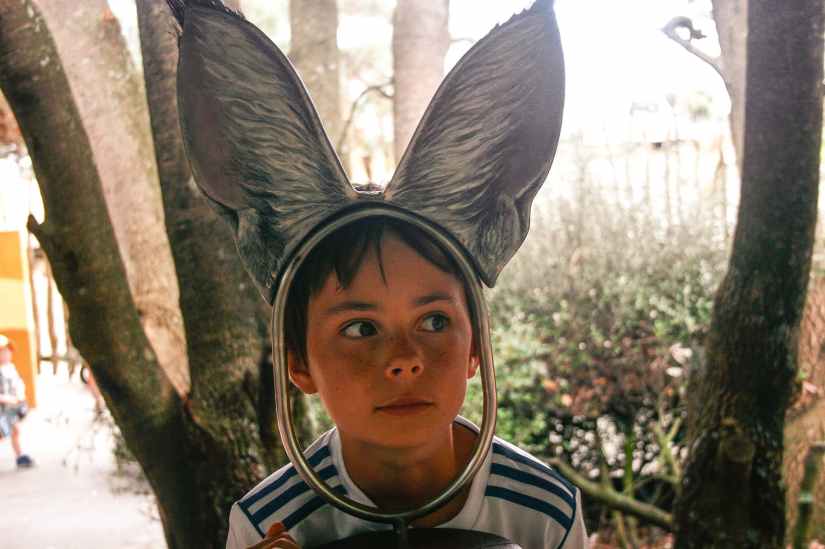
“Listening with Empathy is an art. Gone to its deepest, it is a transformational healing at the core. It is a portal that the heart created, no greater, no lesser than the way you are. Begin where you’re at, grow big and start small.”
“Taking footsteps to connection inside this day and age, brings our cultural language to the NVC plate. We want an understanding of our human needs and feelings, and one we all share is the human desire for a peace break!”
Empathic listening first simplifies the theoretical into a force for the practical and the actual transformation of feeling, taking the attempt to transform the cultural conditioning built into our language from a “faults and defenses” paradigm to a “no fault and transparent” love for one another.

 Empathy is Poetry